Freedom between apprehension and test is not a politeness. It is a critical part of just how the criminal courts work. Whether an individual goes home or remains in a cell while their case creeps with the system affects whatever that complies with: capability to function, to take care of family members, to meet with advise, and to install a protection. The two most usual paths back home are release on one's very own recognizance, commonly reduced to OR or ROR, and uploading bail, occasionally via a bail bond. They share the very same function however operate extremely different assumptions regarding danger, cash, and accountability.
This guide explains exactly how courts select in between OR and bail, what responsibilities each one imposes, and how the choice affects a situation in the real world. It makes use of what attorneys, pretrial policemans, and court team in fact see: the documentation, the phone calls, the reminders that function, and the errors that land people back in handcuffs.
The core distinction in plain terms
Own recognizance launch is a guarantee. The court trust funds the individual to return for future hearings and adhere to problems without turning over cash upfront. The guarantee is enforceable: miss out on court or violate a condition, and a warrant problems, fines can be assessed, and future launch becomes harder.
A bail bond is a financial assurance. The court sets a buck amount as safety and security. A person can post the complete cash money amount or make use of a qualified surety, generally called a bail bond business, which bills a nonrefundable fee to post a bond on the person's part. The money, or the bond, stands as collateral versus failure to appear.
Both devices aim to manage risk. Judges select amongst them after considering a number of variables: violation intensity, prior criminal history, history of showing up in court, ties to the neighborhood, and any kind of public security worries. In several territories, a pretrial solutions record and a risk evaluation device educate the choice, yet the court's discernment still matters.
What OR launch appears like in practice
If the court gives OR, the staff supplies a type to sign. The form provides the following court day and any problems. Typical conditions consist of maintaining a current address on file with the court, no new apprehensions, following all regulations, and remaining in touch with pretrial services. Often the court adds targeted problems: a no-contact order in a residential case, a stay-away order for a retail burglary instance, or surrender of a ticket if trip risk is a concern.
The process is quick. If given at the first appearance, the person could be back home within hours. There is no money to upload and no bail representative to call. Compliance depends on the person's security and the court's support systems. In places that make use of text tips and provide clear, understandable documents, failure-to-appear rates drop dramatically. Even small treatments matter. A public defender I worked with made a practice of circling around the court day in red pen and asking the customer to repeat it out loud. That easy rep reduced missed hearings.
OR prevails in lower-level instances, first-time offenses, and situations where there is strong area anchoring. A person with steady real estate, a work, and household nearby presents an account that guarantees a court. That claimed, it is not restricted to violations. Plenty of pacifist felony accuseds get OR if various other threat aspects look favorable.
With OR, consequences for missteps rise. Missing one court day may result in a bench warrant that is subdued when the person returns voluntarily within a short time. Repetitive failings, or any type of new apprehension, can convert OR into money bail or safekeeping. Judges bear in mind patterns.
What a bail bond is and why it exists
Bail is not a penalty and not a punishment. It is a system to guarantee appearance. If the court sets bail at 10,000 bucks, the person has 2 choices. The first is publishing the full amount in cash money or cashier's contact the court. That money is typically returned at the end of the situation, minus any kind of costs or fines, as long as the individual makes all required appearances. Friends and family sometimes pool funds to do this. The 2nd option is using a bail bondsman, an accredited surety who publishes a bond for the full amount in exchange for a cost. The normal charge arrays from 8 to 15 percent of the bail, established by state policy. That fee is not refunded. Some agents approve security like a cars and truck title or a lien on a home, especially for bigger bonds.
The bond is a contract amongst the defendant, the indemnitor (commonly a relative), and the guaranty business. If the individual falls short to appear and does not return to court within the duration allowed by law, the court can forfeit the bond. The surety after that pays the court unless it efficiently nails and surrenders the person. That is where the industry credibility for fugitive hunter comes from, though in several states the procedure is a lot more regulated than television recommends. The functional reality is simpler: bail agents invest much more time making pointer phone calls and pushing individuals to reschedule than chasing fugitives down alleys.
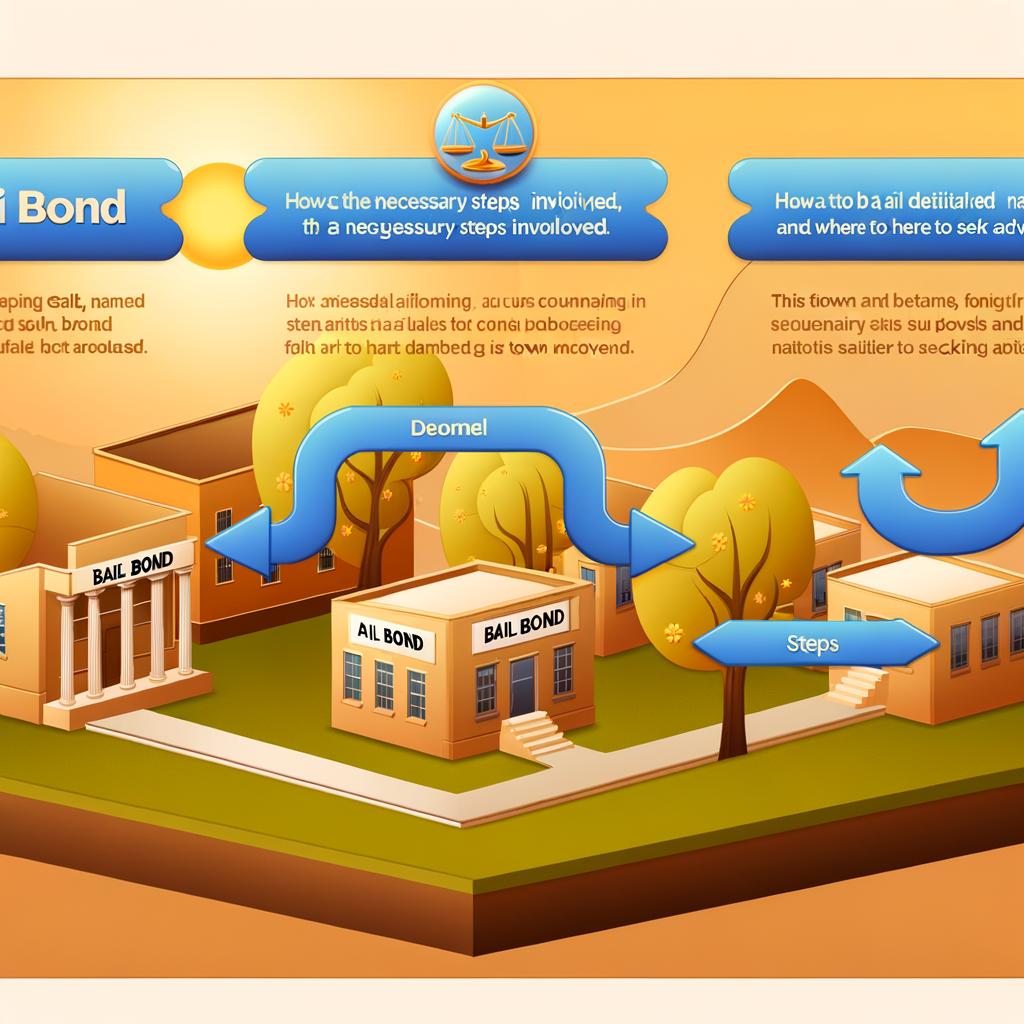
Bail exists due to the fact that not everyone gets OR, and courts require a lever for higher regarded danger. Whether money is the appropriate bar is an online plan dispute in the USA, and several jurisdictions have sharply stopped money bond. But where it continues to be, bail bonds are the market reaction to the gap in between high bail and an individual's readily available cash.
How judges select in between them
A court's job at first appearance or arraignment is triage. There is limited time, occasionally just minutes per instance. The judge checks the billing file, a pretrial solutions report if readily available, and any criminal background. Prosecutors may suggest for bond or apprehension. Defense counsel highlights connections, employment, and any weaknesses in the state's case.
An uncomplicated theft situation with no previous failures to show up typically gets OR, maybe with a stay-away order from the store. A bar fight with small injuries may obtain OR plus a no-contact problem and a substance abuse evaluation. A theft with prior FTAs and an out-of-state address will likely draw bail. In domestic physical violence situations, many courts require a no-contact order and sometimes an ankle joint display, even if launch is OR, to handle safety and security danger without money.
Risk evaluation tools can tilt the result. They generate a score based on elements like age, previous sentences, prior FTAs, and current fee. Ratings are advising, not binding, and different areas place different weight on them. Numerous courts still count greatly on qualitative signs: a relative speaking up in court, the presence of an employer's letter, or a recorded medical condition that makes prison risky.
Conditions that often affix to both
Whether launch is OR or on bond, courts can buy problems customized to the case. Surrendering a ticket, GPS tracking, avoiding drugs or alcohol, curfew, and counseling prevail. The enforceability of problems counts on pretrial solutions, probation policemans, and often innovation. GPS units are not fail-safe, however they offer a trace. Drug testing can be arbitrary or set up. Disobedience can cause a hearing and feasible remand to custody.
A refined factor: problems require to be sensible. I have actually seen judges established an once a week in-person check-in for an individual who lived 2 hours from the court house without an auto. The outcome was predictable: missed visits and ultimate custody. A better option was phone check-ins and leveraging a local resource for testing. Defense lawyers that know the local pretrial workplace can often discuss these sensible changes on the record.
Financial mechanics and hidden costs
The headline contrast is simple, money versus no money. The complete photo of cost consists of time, transportation, and chance cost.
Cash bond ties up funds for months, often longer than a year. Courts ultimately return the principal minus administrative fees and any penalties or restitution the court orders at sentencing. Households occasionally treat this as forced savings. That is a risky state of mind. If the situation ends with fines or probation fees, the reimbursement shrinks. If a forfeit occurs due to a missed hearing, the cash is at risk. Some courts enable a short grace period to vacate forfeits if the person comes back with a great explanation, yet do not rely on leniency.
Bail bonds shift the expense into a nonrefundable cost. If bond is 20,000 dollars and the costs is 10 percent, expect to pay 2,000 dollars plus management fees. Security might still be requested for bigger bonds. If the person goes against the bond's conditions, the surety can demand more security or give up the individual to the prison to restrict its direct exposure. Households frequently miss out on that clause. It is conventional language in the contract.
OR has no cost, yet it can bring prices. Electronic surveillance can call for an everyday cost, 7 to 15 dollars is typical in numerous locations. Medication testing fees might use. Transport to frequent check-ins or court appearances adds up, and missing out on work for hearings is as pricey as any type of cost. When recommending clients, I contrast overall problem, not simply the financial line item.
Practical benefits and dangers of each path
Release on very own recognizance maintains sources. Individuals can keep paying lease, take care of youngsters, and keep the rhythm of life that makes compliance easier. The absence of monetary pressure decreases the temptation to beg rapidly just to get out, a documented phenomenon in systems that depend on high money bail. The main danger with OR is that life gets in the way and brings about a missed day. The solution is straightforward: create redundant tips and call the staff if something goes laterally. Courts favor a proactive telephone call to http://tysonkuou370.almoheet-travel.com/finding-financial-relief-with-500-bail-bonds-in-an-emergency-situation a bench warrant.
Bail and bail bonds enter play where courts desire a more powerful assurance. For some customers, having cash on the line focuses attention. The bond agent ends up being an additional layer of accountability. Representatives will call, message, and occasionally drive customers to court. That assistance has saved many appearances. The trade-off is cost and the possibility of an abandonment if the agent sheds confidence. I have actually enjoyed a bond obtain revoked not since the individual missed a court day, yet because they relocated without informing the agent. From the agent's viewpoint, that broke the depend on that sustains the bond.
A quick side-by-side snapshot
- OR release: no upfront money, trust-based with enforceable conditions, finest matched for reduced threat accounts and strong neighborhood ties. Bail bond: financial guarantee, entails a nonrefundable premium if making use of a guaranty, even more usual when threat factors are present or when statutes mandate bond on details charges.
Where laws and neighborhood rules form outcomes
State law heavily influences pretrial release. Some states have actually approached presumptive release for many misdemeanors. Others have actually carved out exceptions that mandate cash money bail or detention for certain terrible criminal activities or repeat offenses. County-level methods more form fact. One courthouse might routinely approve OR on low-level felonies with robust pretrial guidance. The next county over could establish small bond quantities rather, leading defendants to either publish a tiny cash money bond or use a bondsman.
There are likewise positions where bond schedules still function as the starting factor. A routine notes quantities for common costs. Judges are not bound by these numbers, however they develop inertia. Defense counsel that understands the schedule can say properly for variances based upon mitigating elements, like clinical needs or child care duties, that a static timetable can not capture.
Impact on case strategy
Spending the pretrial period at home versus in custody often drives instance outcomes. People released on OR or bail often tend to meet their lawyer more constantly, collect records that aid their case, and total proactive tasks like therapy or community service that can influence a plea deal. A prosecutor that sees therapy certificates and clean tests is more likely to readjust suggestions. A judge who sees conformity on pretrial conditions is much more responsive to leniency.
Conversely, wardship applies stress. An individual could consent to a plea they would certainly decline if they were free, just to finish the uncertainty. That is one reason defense attorney push hard for OR or cost effective bond at the earliest hearing. The window for shaping pretrial conditions is best at the beginning. Once a pattern of violations is established, choices narrow.
Special instances and side scenarios
Immigration holds make complex everything. If someone undergoes an ICE detainer, posting bond in the criminal case might simply move guardianship to immigration authorities. In those circumstances, defense counsel considers the benefits of neighborhood release against the possibility of instant immigration apprehension. Households must be informed regarding this prior to publishing a huge money bond or signing a bond contract.
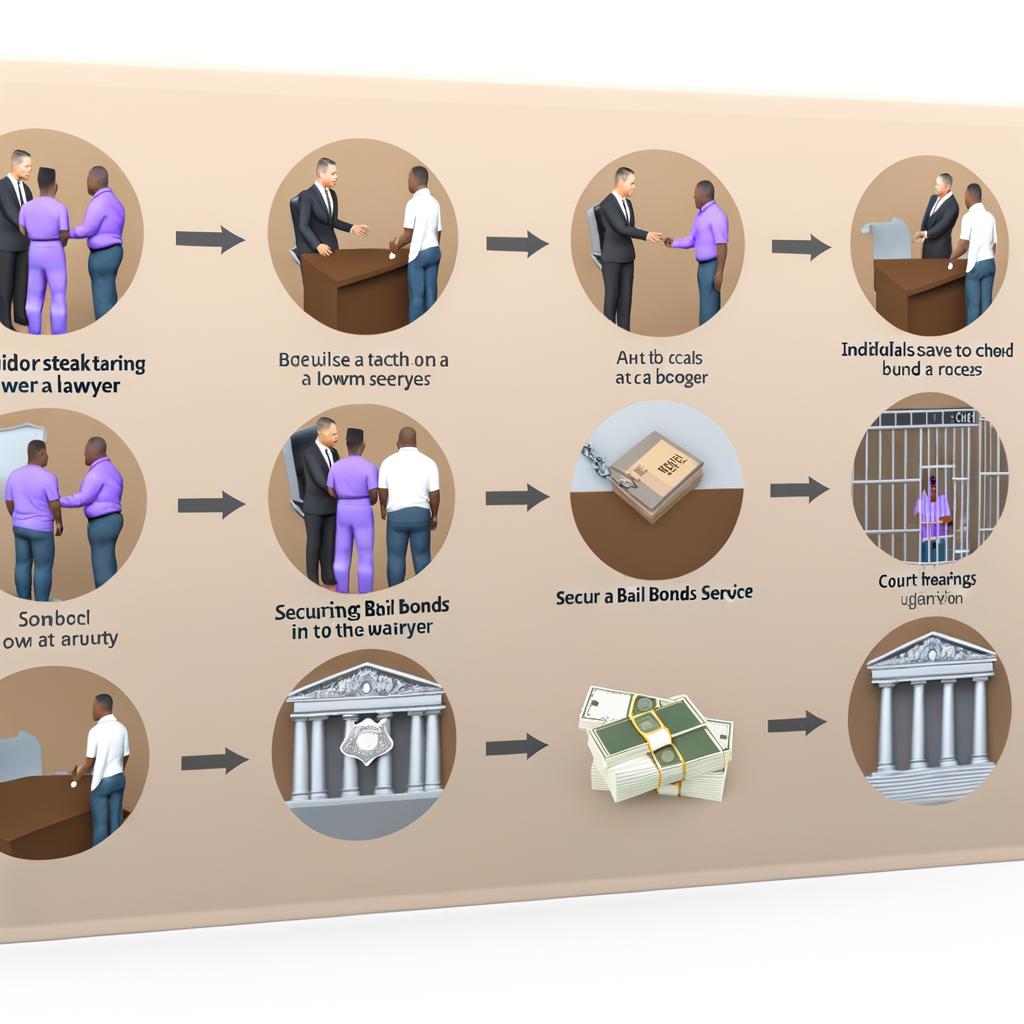
Warrants from various other regions or states can also upend release plans. A judge could grant OR on the regional instance yet hold the individual for pickup on the out-of-county warrant. Coordination issues. Calling the various other territory to confirm intent to extradite can stop a shock. When feasible, counsel asks to set up both issues in quick succession to avoid dead time in jail.
High-profile instances draw in stricter conditions. Juries face public scrutiny and in some cases choose higher bail with general practitioner surveillance even when the danger factors are blended. Defense attorney can soften this by suggesting an organized plan: third-party custodian, treatment registration with reporting, and validated work. Juries react much better to a strategy with specifics than to basic assurances.
How to get ready for a launch hearing
Evidence of stability relocates the needle. Bring proof of home, a letter from an employer, and referrals. If there is a medical problem, bring documentation. If there are children or caregiving responsibilities, prepare to explain how those duties link the person to the neighborhood. If the charge involves material use, line up an evaluation promptly. Juries value action over promises.
On bail demands, suggest practical quantities and certain guidance terms. A demand that recognizes danger and addresses it with concrete safeguards typically exceeds a covering demand for OR. Precision communicates responsibility.
Working with a bail bonds representative thoughtfully
If the court establishes bail beyond reach for money publishing, a reputable bail bonds representative can be a companion. Ask about the costs, any type of payment plan, and whether collateral is called for. Check out the abandonment provision. Clarify reporting expectations. Great agents are clear regarding tips and logistics. They want the individual to succeed; forfeitures are expensive for them too.
For families, treat the indemnity seriously. If you sign as indemnitor, you might be liable if the bond is forfeited. Do not co-sign if you do not have normal contact with the person or if you suspect they will certainly not comply. It is a hard border to set, but it prevents larger losses later.
What occurs after a missed out on court date
Life events take place. Vehicles damage down, child care falls through, schedules get mixed up. If a court day is missed, act rapidly. Call the legal representative immediately. Lots of courts enable a same-week walk-in or an expedited movement to quash the bench warrant. Turning up with evidence of the factor, such as a tow invoice or clinical record, makes the discussion less complicated. Waiting transforms a small trouble into a new apprehension with cuffs and a higher bail.
Bond forfeits do not occur instantaneously. There is typically a legal home window for the guaranty to return the individual to court and to transfer to allot forfeiture. That said, daily shed makes it harder to discuss. Agents are far more versatile when customers communicate early.
The policy backdrop and why it matters to individuals
Across the country, bond reform has moved the landscape. Some jurisdictions have actually eliminated cash bond for most pacifist offenses. Others have expanded pretrial solutions and message suggestions. Evidence from these reforms often tends to reveal that look prices remain secure when courts provide support and clear problems, and that public safety and security does not get worse merely since cash money bail is less usual. Yet reforms are unequal. A person arrested five miles from a county line might face an entirely different pretrial regime.
Knowing the local policies pays off. If your county utilizes hearing pointers, see to it your call information is existing. If it relies on paper notifications, ask for a duplicate and put it on the refrigerator. If the court uses transportation aid or remote check-ins, use them. Little actions worsen into fewer mistakes.
A grounded way to pick between OR and bail
When you have a say in the issue, or when advising an enjoyed one, assume in terms of threat management as opposed to labels.
- Ask what problems will certainly support success. Text reminders, rides to court, or a pal that can function as a third-party custodian can be more valuable than publishing money. If bond is established, calculate real cost gradually. A 3,000 dollar premium on a 30,000 dollar bond is not reimbursed. If the family members can upload 3,000 bucks cash on a decreased bail and afford the danger, that may be smarter than paying a premium, but only if court looks are rock solid.
Common myths that are entitled to correction
"OR indicates the court believes the situation is weak." Not so. OR shows threat analysis regarding appearance and security, not regret. Prosecutors still seek OR instances vigorously.
"Uploading money bail assurances you win your instance." Bail is different from the benefits. It only manages launch standing. You still must protect the charge.
"Bail bondsmen can negotiate with the judge." Agents do not set bail. They can assist navigate logistics and, in some courts, signal reliability by attesting a customer. The amount and problems are up to the court.
"Missing one hearing ruins everything." It complicates things, but fast activity can fix the damage. Judges respond to motivate, honest descriptions and a plan to stop repeats.
Final thoughts from the trenches
Pretrial release decisions are not abstract. They come down on genuine individuals with hectic, untidy lives. OR leverages count on and framework, and when backed by basic assistance like reminders and reasonable check-ins, it works well for most situations. Bond and bail bonds action in where judges regard higher danger or where the legislation requires additional guarantee. They include an economic layer that can help some offenders focus, yet they additionally enforce costs and potential conflict with sureties.

The smartest course begins with preparation. Show the judge concrete connections, bring papers, and propose problems that match the individual's facts. If bail is ordered, purchase a reputable agent and read the agreement. If OR is given, treat it like an agreement you mean to recognize. Maintain the court's number in your phone. Validate the next date twice. Tell your lawyer concerning any kind of life changes that can affect conformity. Those routines shield freedom better than any type of stack of cash money ever could.
For individuals working inside the system, remember the sensible information that turn end results. Clear documents beats lawful lingo. A call the day before court saves time and decreases warrants. Innovative conditions resolve issues that cash never will. And when Bail Bonds are required, straightforward communication with the agent and the court develops a group that nudges the situation towards a constant, lawful finish.